
Japan's cities are vibrant, crowded, exhilarating and intense but that is far from all there is to Japan. You don't need to go far from these major metropolitan centres to experience nature in Japan. There is another side of everyday Japanese life that exists in the mountains, rural villages, around lakes, out on the hiking trails and even in the oasis of a city park. In addition to stunning scenery and seasonal flowers there is a variety of wildlife and a diverse range of birds, both local and migratory.
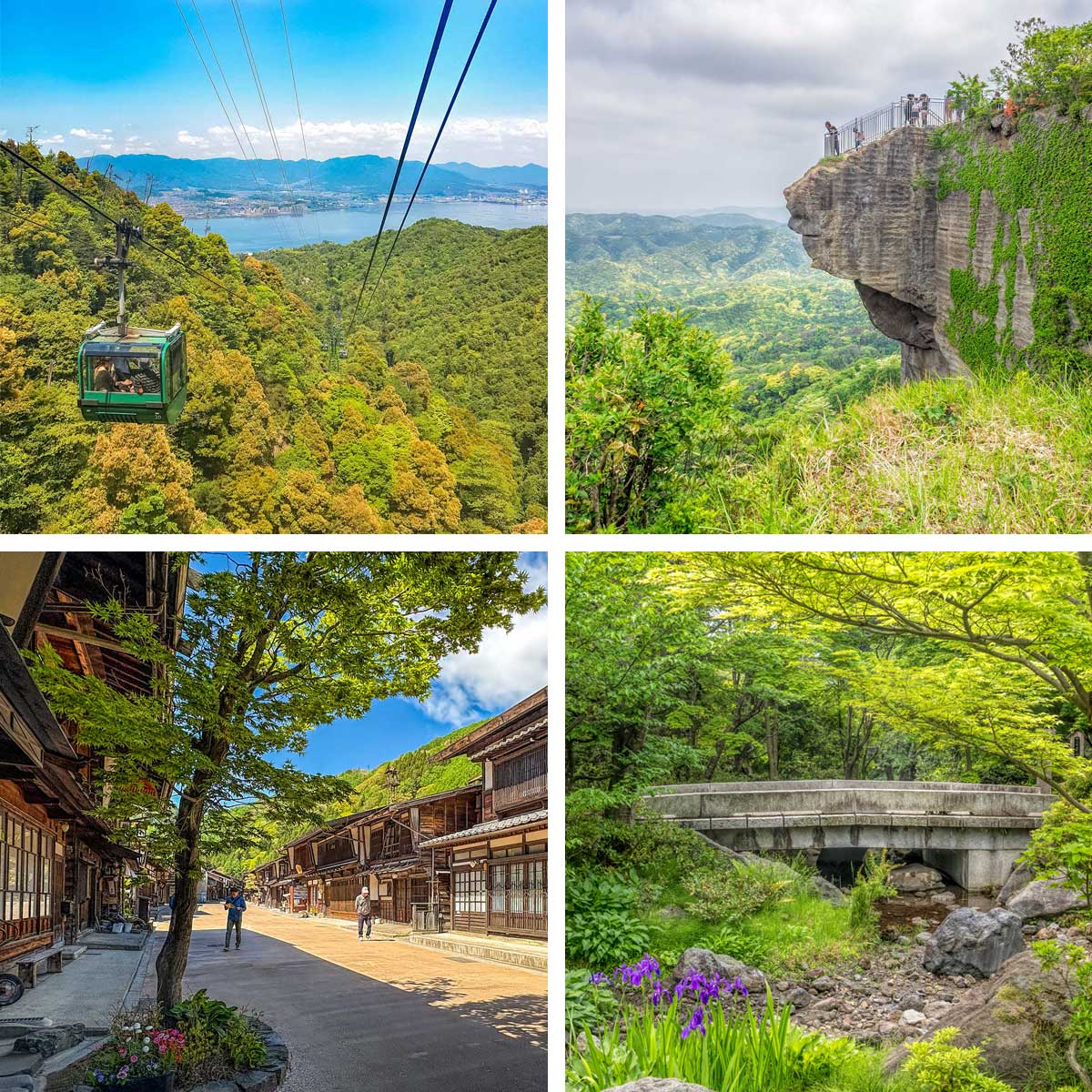
We've picked 20 of Japan's natural wonders that will be reasonably easy to access for most visitors. We've enjoyed visiting all of these spots ourselves over the years, several are also on our list to return to and experience in a different season or simply because they are too special to visit only once.
If you have any questions to help you narrow down which of these destinations fit your needs, interests and available time please ask in the comments section below/
We've intentionally selected some variety here, from a couple of unexpected oasis within the major cities to those on the fringes and a few in less travelled prefectures. We are mindful that like us, most of our readers don't speak fluent Japanese and rely mainly on public transport or affordable tours to access the destinations they visit. For this reason, we've kept these 20 spots very realistic for the average itinerary and visitor.
Table of Contents
Natural places in the Kantō region
Kantō is located on the eastern side of Japan's main island. The region includes Tokyo which is Japan's political and economic centre but that doesn't mean there aren't many beautiful natural spots in the surrounding area and plenty of opportunities to explore from a base in the capital city.
1. Hakone
Located just an hour from Tokyo Station on the Shinkansen we think Hakone is a fabulous spot to get away from the city hustle and bustle for a little while, whether that is a day trip or an overnight stay.
We have been a few times now in different seasons and have shared a suggested itinerary with the Hakone Free Pass that includes all the major sites. There are a couple of versions of the pass and you can buy one that includes return tickets to Tokyo, or make your way to the Hakone area and use a pass for only the local transport and discounted entry tickets.
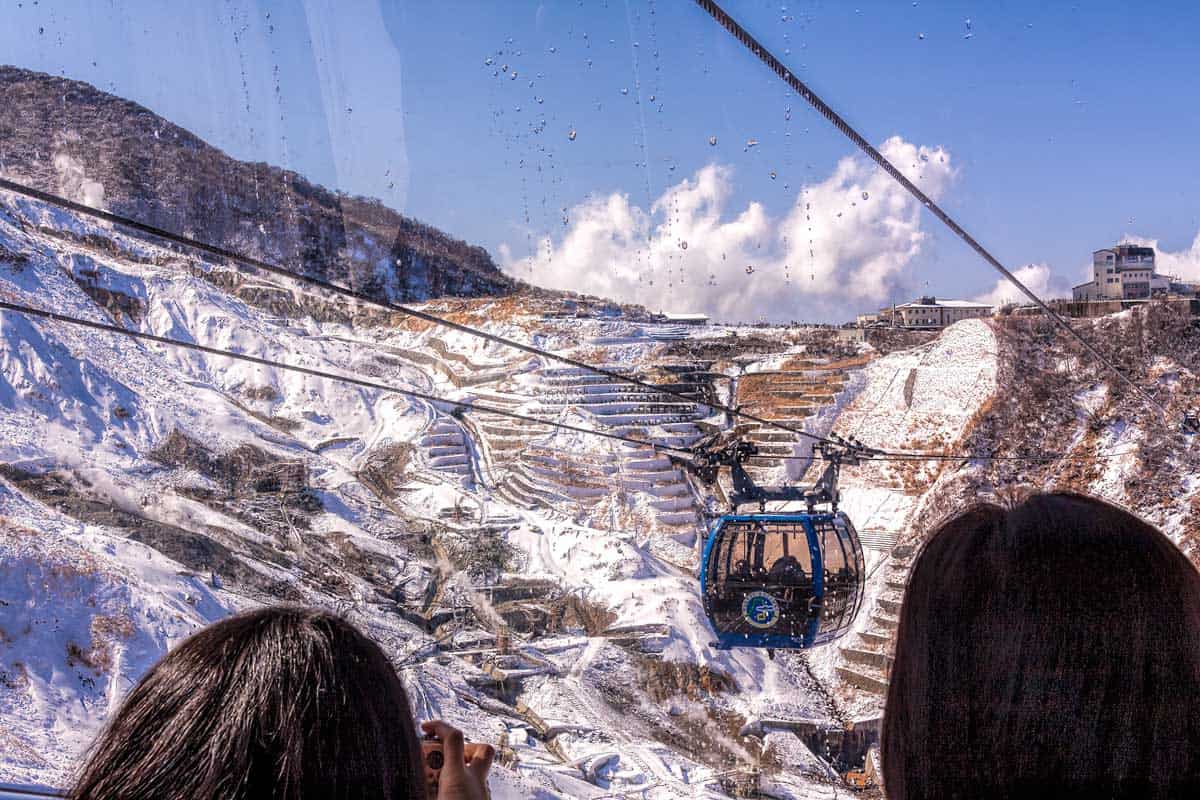
You'll find mountains covered in lush foliage, autumn leaves or snow depending on your season, there are spectacular views of Mt Fuji when the clouds behave, geothermal fields, a stunning lake you can cruise across and ancient forests.
We recommend trying the onsen in Hakone, natural hot springs that bubble up from deep under the ground full of rejuvenating minerals and try to find time to include the outdoor art museum for a different experience in its own gardens and borrowing from the scenery of the surrounding mountains.
2. Mt Takao
Mt Takao is a mountain in greater Tokyo, about an hour's train ride from the central city. While it's easy to get to and can be very popular, particularly in the autumn leaf viewing season it is also a great spot to get out in nature whilst still very close to a major city.
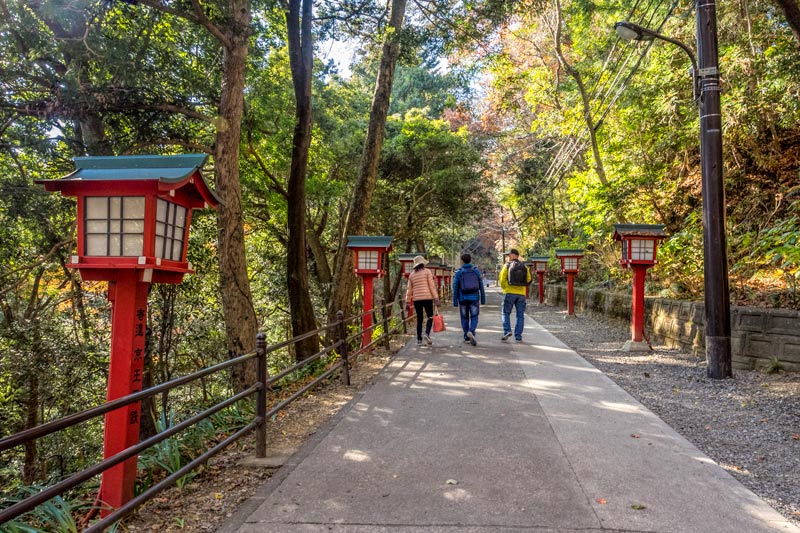
There are 8 hiking trails to choose from that weave their way up and down the mountain. If you don't feel like walking the whole way you can take either the cable car or a chair lift to around the halfway point and explore from there.
The views are great along the way including the city and Mt Fuji on a clear day as you follow the easy walking paths up through the shrine and temple and on to the summit. Mt Takao is a diverse habitat with thousands of plant varieties and many native animals, insects and birds. There are wild boars and monkeys on the mountain as well as flying squirrels and the Japanese badger.
Read more: Everything you need to know to plan your day at Mt Takao
3. Meiji Shrine
Meiji Shrine in Tokyo isn't a secluded escape to nature but the overall experience is impressive both in itself and for showing what can be achieved in the midst of one of the most expensive and populated cities on earth.
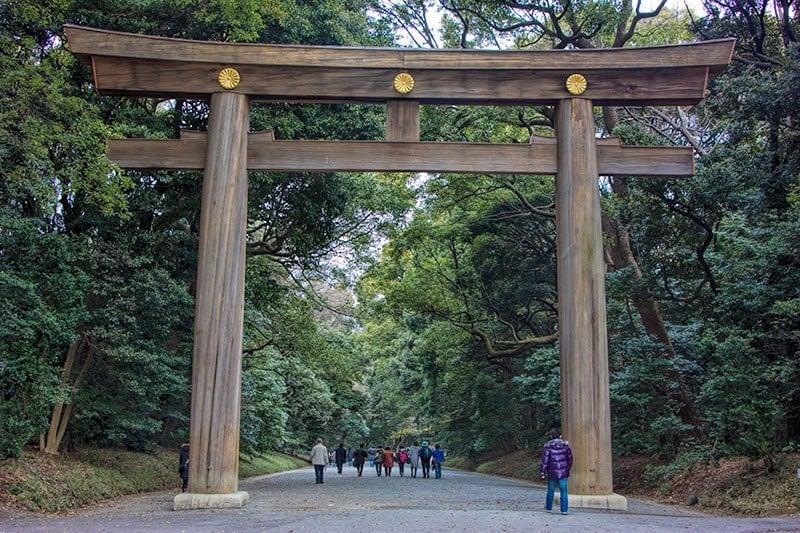
This shrine is located behind Harajuku station in Shibuya, one of Tokyo's busiest central areas and covers 174 acres, the elaborate shrine is dedicated to Emperor Meiji and Empress Shoken but it's the forest of 120,000 trees that is particularly impressive.
The area isn't a tract of bushland protected in Tokyo by a particularly astute Edo town planner, these trees were donated and planted as seedlings in 1920 by citizens and businesses all around Japan to adorn the shrine of a highly respected Emperor.
Read more: Planning your visit to Meiji Shrine, Tokyo
4. Todoroki Gorge
Another option for a green escape in suburban Tokyo is Todorki Gorge. This is a good spot if you only have a couple of hours to fill. We headed out for a change of scene after a hectic morning at the Tsukiji market and to walk off a bit of overindulgence in the many delicious food choices.
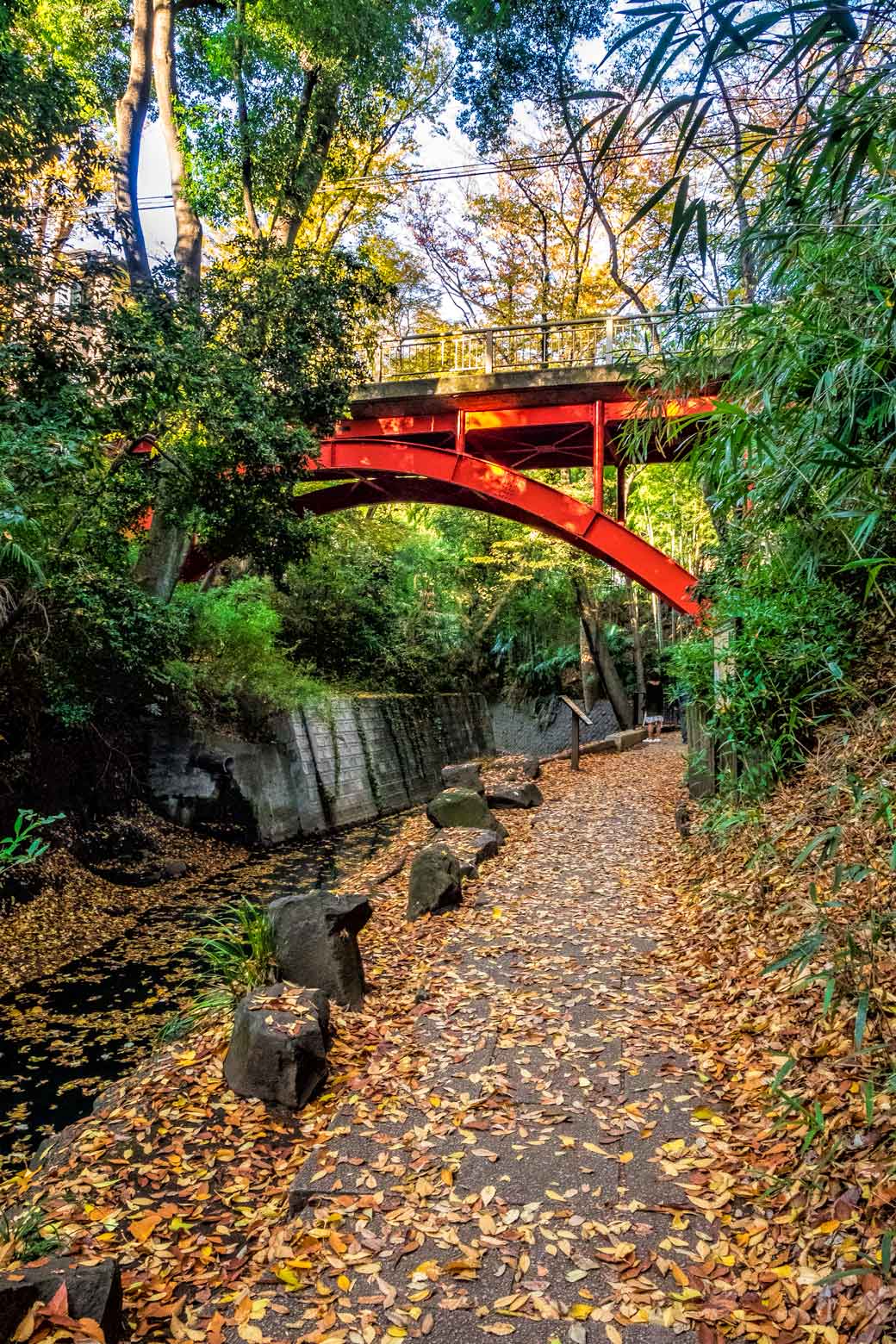
Although you are only 15 minutes from Shibuya there is a feeling that you have discovered a secret wilderness. We popped out here mid-week which will have helped with the feeling of serenity but it was also the peak of the autumn leaves so not a quiet time on the tourist calendar.
If you follow the rustic path beside the Yazawa River you will pass by ancient burial sites, a temple, lovely tea rooms where you can sit out under the old trees, a traditional bore and water pump and beautiful hillside gardens that are open to the public.
Read more: A Tokyo visitors guide to Todoroki Gorge
5. Kegon Waterfall
The historic shrines and temples of Nikko are a popular side trip from Tokyo but have you considered staying a night or two to explore Oku-Nikko, the less travelled and stunningly beautiful outer regions?
On the way to Lake Chuzenji and the relaxing onsens the Kegon Waterfall is an easy side trip that is spectacular in all seasons. I enjoyed the early summer greenery but can you imagine it with ice-covered cliffs and snowy caps all around?
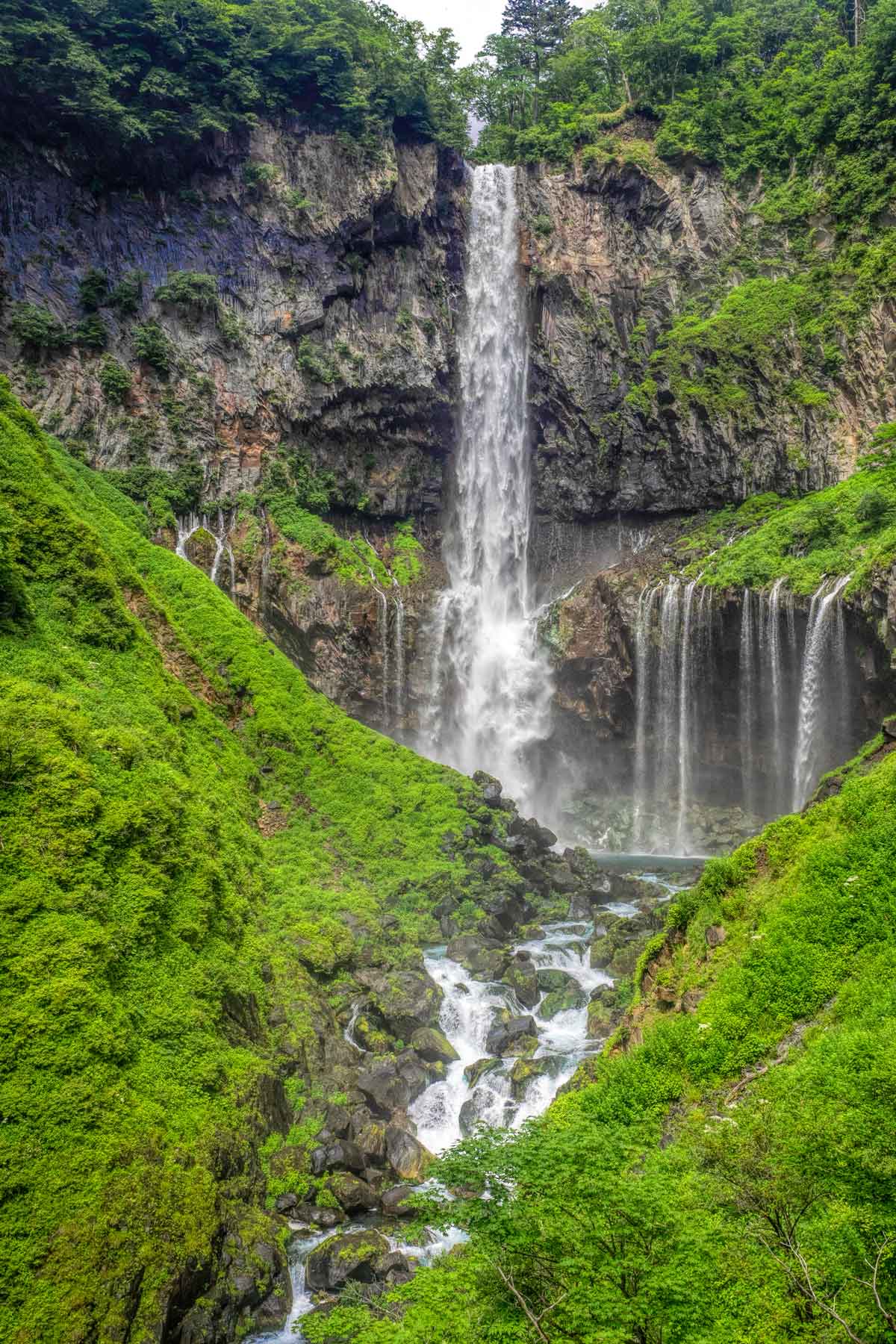
Take the elevator down 100 metres through solid bedrock to the viewing platforms for a great perspective of the multi-layered falls. I was surprised that there doesn't seem to be a hiking trail to them or from them to other attractions.
6. Kanmangufuchi Abyss
These sneaky moss-covered Jizo statues at Kanmangufuchi Abyss appear to shuffle around meaning you don't get the same count of them twice. They are quite a well-known image of the Nikko region but not a lot of visitors make the trip out here.
It's only a 1.5 km walk from the famous Shinkyo Bridge or the 5-storied Pagoda but after hiking up and down the hillside to view the historical Shrines and Temples often time or energy are limited.
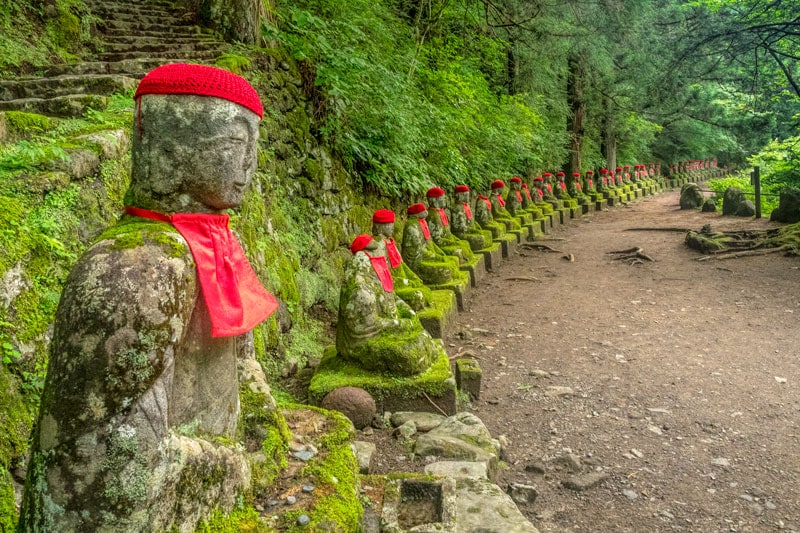
The walking path itself follows the picturesque river which can be heard breaking over boulders and cascades beside you and is only a few hundred metres long but if you get the area to yourself as we did, aside from a lone monk from the temple up the hill, it is a very serene and special experience.
7. Mt Nokogiri
Our day in Mount Nokogiri was a needed break from the crowds in Tokyo. It's a stunning spot with views over the forest and ocean, a ropeway to ride, impressive Buddhist sculptures, culture, history and an opportunity for some light hiking on the mountain.
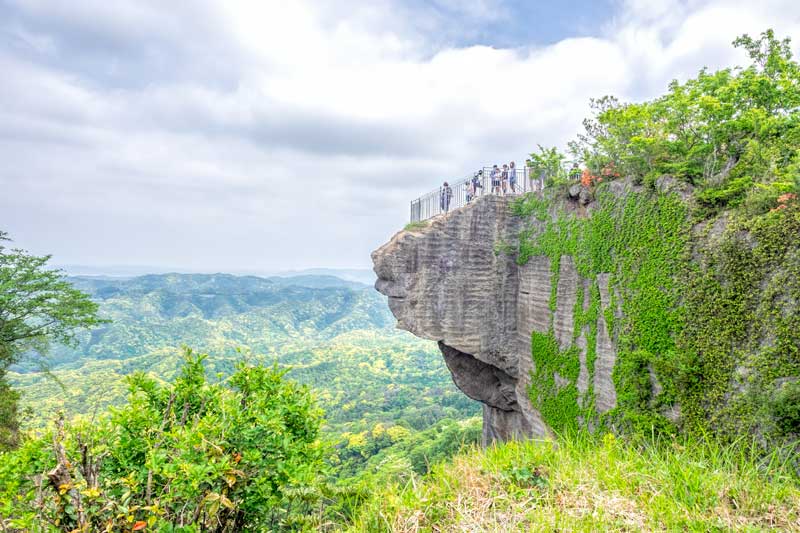
The train trip is only around 90 minutes from Shinjuku or there is an option to cross Tokyo Bay by ferry which could be an interesting option with good weather.
The area was mined for rock from the Edo period until 1985 so there are some interesting history remnants from that period but the forest has reclaimed it now making it a great nature escape. It's easy to fill a day here if you are prepared to walk up and down the main section of the mountain as there are several routes to take in all the sites.
8. Kinugawa Onsen
While onsen towns in Japan are a fun short escape in their own right we do like one with some history and nature to explore too. Being a train buff I enjoyed the heritage steam train ride out from Nikko to Kinugawa Onsen through some stunning scenery and river crossings.
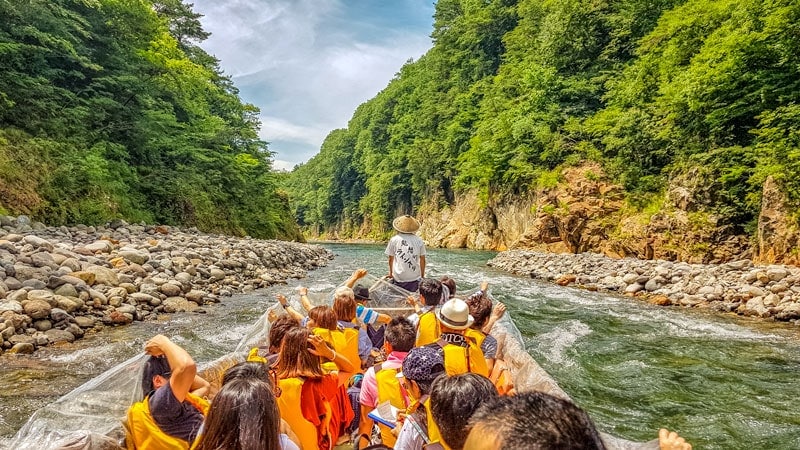
The Kinugawa river is central to the township and provides plenty of interest and walking opportunities along the nature trails in the surrounding hillside. The boat trip down the river was a heap of fun, it was lush and green during our visit but this is a spot highly regarded for it's autumn coloured foliage so that would also be a good time to visit too.
9. Nikko National Park
While the World Heritage area can be visited on a day trip from Tokyo, exploring Nikko including the national park, onsen areas and wider attractions of Oku-Nikko is best done by basing yourself in the Nikko area for a few days.
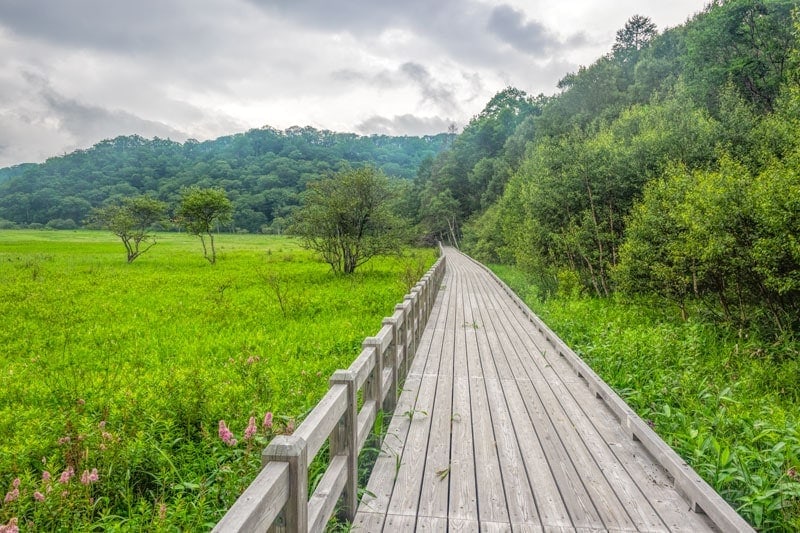
The national park is home to deer, monkeys and bears and offers a wide variety of terrain and hiking trails. Many of the trails lead into the mountains but the Senjogahara Marshlands, a plateau around 1200 metres above sea level is very popular.
10. Showa Kinen Park (Tokyo)
Showa Kinen Park was opened in 1983 to commemorate the 50th anniversary of Emperor Showa's reign. At 160 hectares it is a massive space divided up into many different areas with larger trees, seasonal flowers, open grassed areas, a bonsai garden, lakes including one big enough that you can pedal boat on one it. There are also several areas with food outlets, seating and vending machines.
Depending on your purpose for visiting and the time you have available you may want to focus on a particular area or consider hiring bikes near the entrance so you can cover the bigger areas more quickly, there is an extensive pathway to expore by bike.
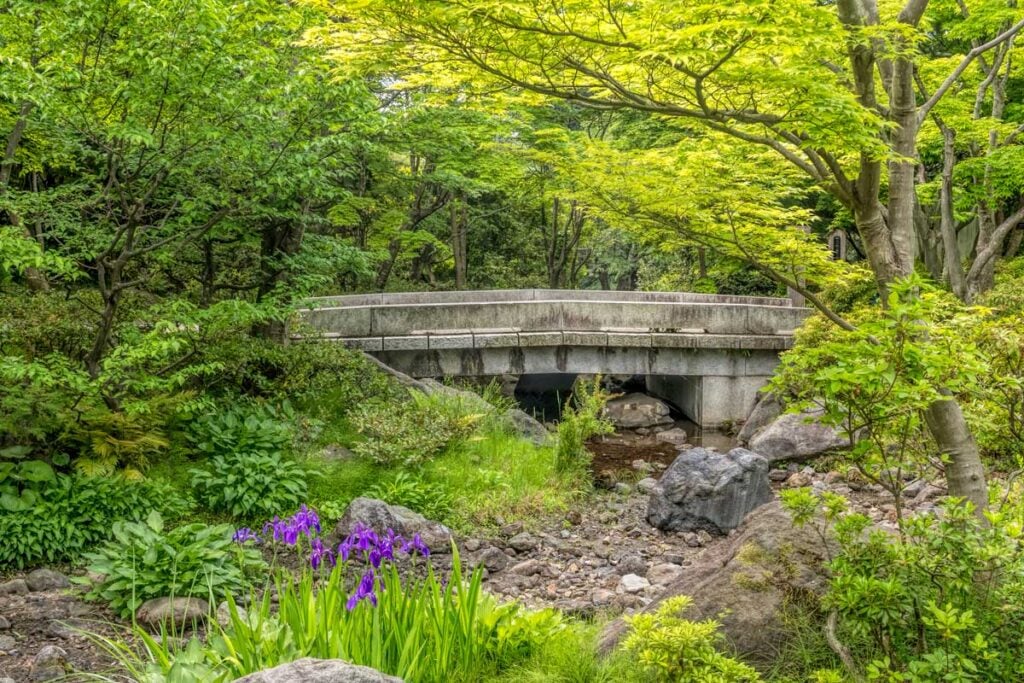
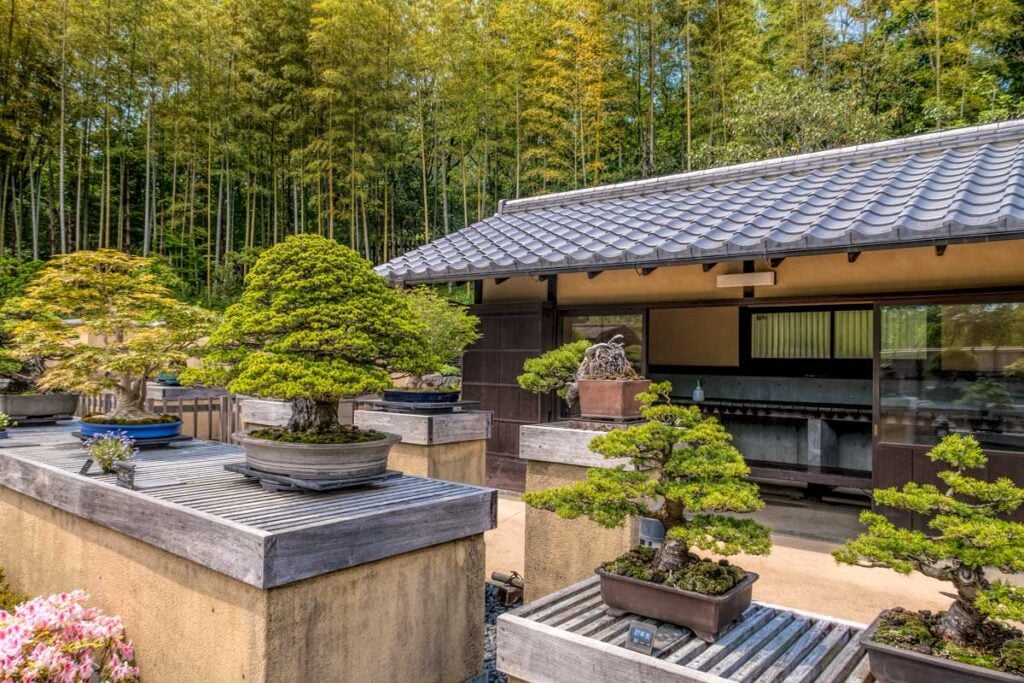
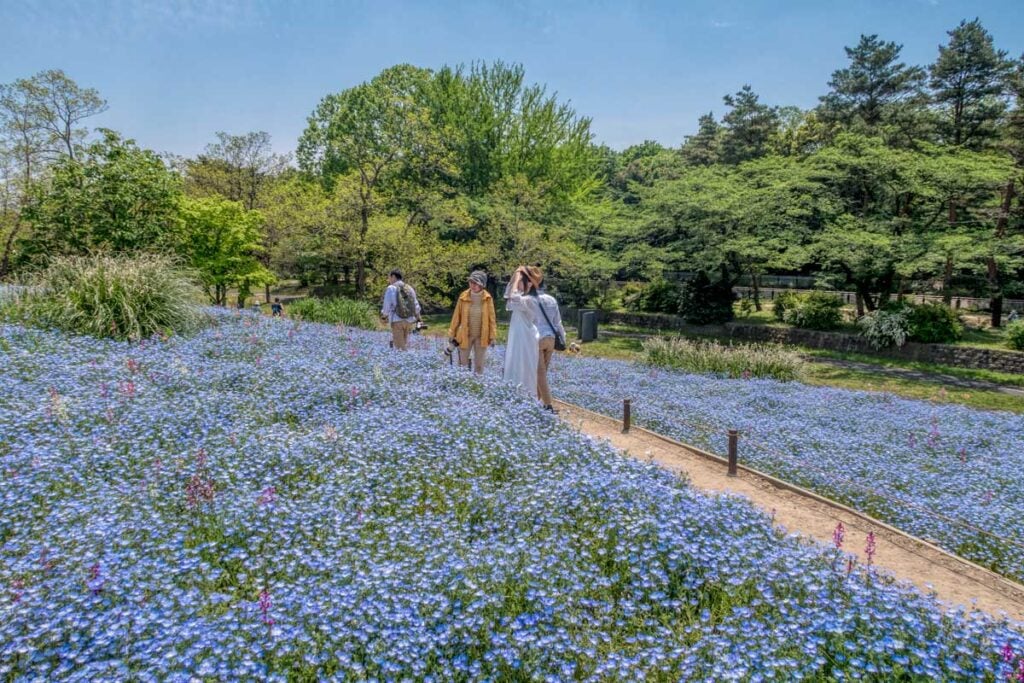
Cherry blossom and autumn leaves are very popular reasons to visit here but the 'Baby Blue eyes' or nemophila and azalea season is a favourite of mine. The bonsai museum is also exceptional.
To get to the park take the Chou train line 40 minutes from Tokyo Station to Nishi-Tachikawa station and you arrive right outside the park. The direct trains to this stop are slightly less frequent than those to Tachikawa station but you'll save yourself a 1.5km (20 minute) walk through the streets.
Beautiful nature escapes in Kansai
11. Enryakuji
In Mt Hiei overlooking lake Biwa, Japans largest lake, you will find Enryakuji. It is a historic mountain temple complex and it's incredibly peaceful set amongst its forest backdrop.
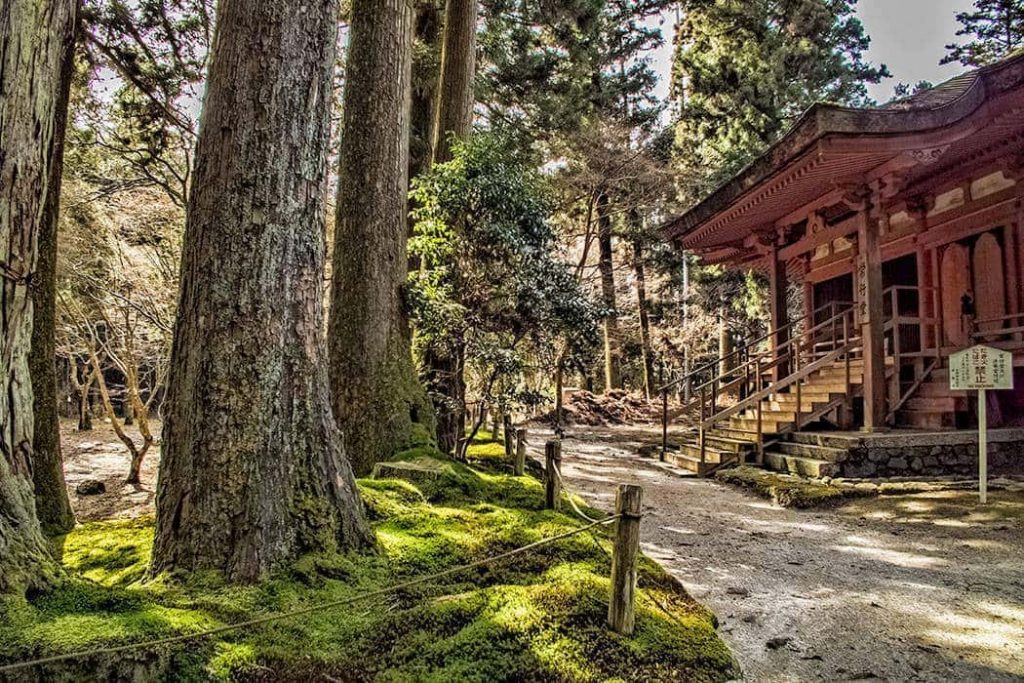
There is plenty of hiking to be done here through the forest paths as the temple is in 3 seperate sections. The Todo area is where the monestry started and is where you will find the largest and most significant of the historic buildings. The Saito area is nearby and includes the mausoleum of Saicho the temples founder and the Shaka Hall.
Finally the Yokawa area is around 4 kilometres north of Saito and is worth visiting if only because it is the most peaceful with fewer visitors. Its central hall which was rebuilt in the 1970s is built into the mountain on pillars. Both the Yokokawa Bell Tower and the principal artifact of the Boddhisatva Kannon here are important cultural properties.
12. Fushimi Inari
When we first started visiting Fushimi Inari it was a pretty quiet spot once you got out of the main temple area, now it has become very popular with tourists and they has taken a little from the serenity that was its big attraction to us. With that said we think you can still visit Fushimi Inari and have a fabulous experience.
Visit on a day when you can include it very early in the day, or in the later afternoon when the crowds will be a lot less. If you choose early you will go through the temple and start climbing the hillside through the small sub-temples and gates directly, the shopping and eating street will not be open yet. Some may be open when you come back down but probably not. It's a trade-off we think is well worth making.
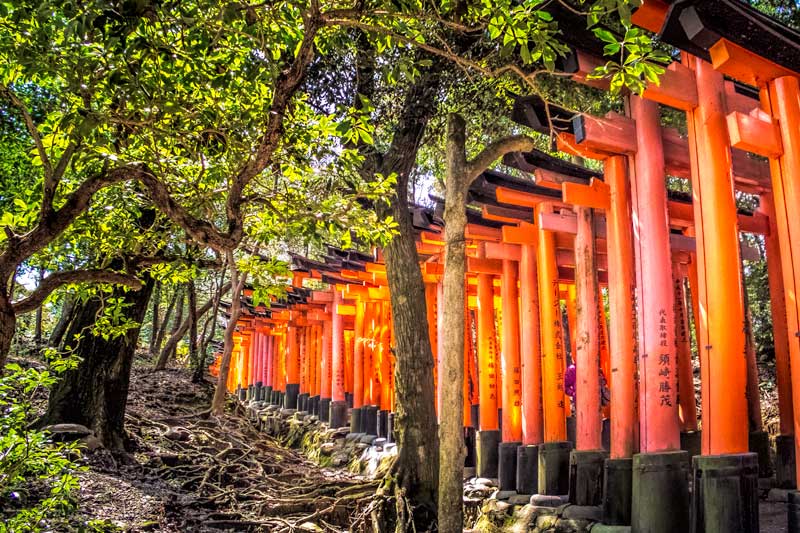
Consider taking some of the side trails or less obvious paths as you climb the hillside if you feel comfortable doing that. Stay on areas that are clearly a path and public access but some of the more rustic dirt paths are interesting, leading to peaceful spots like a natural bamboo grove.
Even on the shrines busy days like our visit during this local Fushimi Inari festival we found peaceful sections of the the hillside to walk.
13. Minoo Park
Minoo Park is possibly the top autumn leaf spot in Osaka and we did love walking it during the height of the season but this easy walk through winding local streets and they following the river with small cascades past temples and natural scenery to the waterfalls at the top in our view is a nature spot for all seasons. It wasn't overly busy on a weekday during the autumn leaves but is even more peaceful at other times of the year.
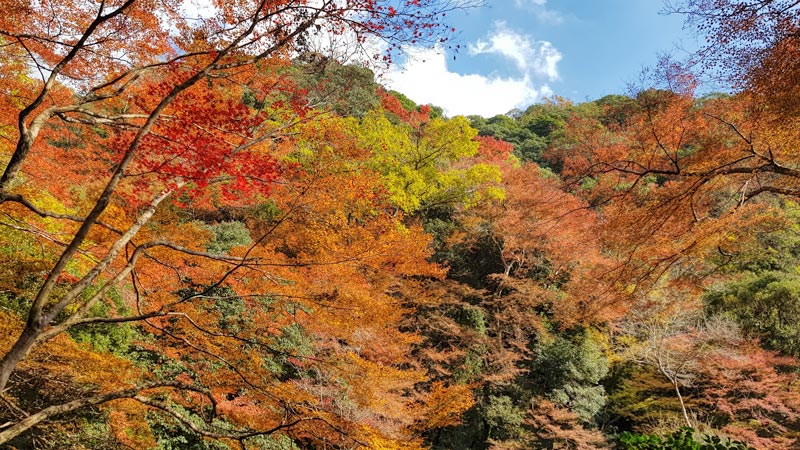
There is a lot of interest when you visit here, the geological formations are as old as the dinosaurs, a wide diversity of plants and bird life and you might even spot a monkey or two along the way.
14. Mt Rokko
Mt Rokko is the mountain behind Kobe city and is easily accessed behind the shinkansen station. The easy way is to take the ropeway up the hill to the gardens and restaurants at the top which has some gorgeous views over Kobe city, out to sea and across to Osaka. If you are feeling more energetic you can hike up (or back down) and take in the Nunobiki waterfalls up close.
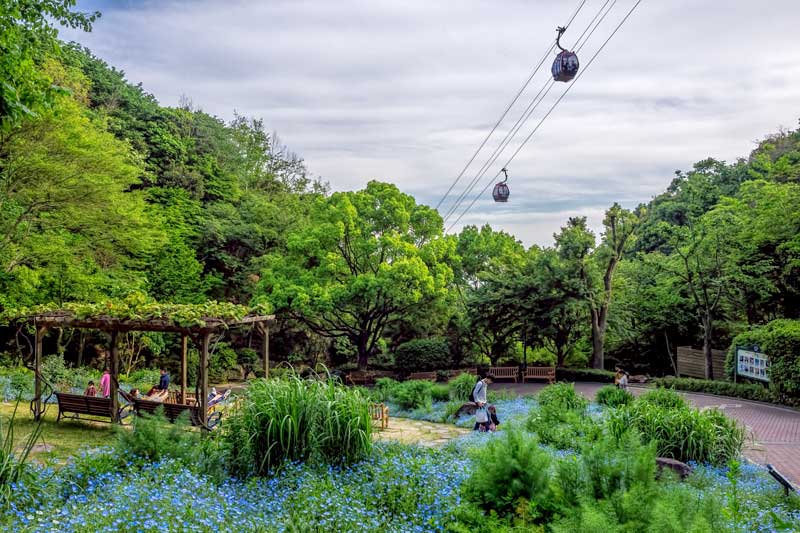
This one works well to stow your bags at Shin-kobe station if you are continuing on further that day or as a day trip from nearby cities. From Osaka station by local train it will take about 45 minutes, from Kyoto it's 30 minutes by shinkansen or just over an hour by local train with a short connection from the local to Shinkansen station in Kobe.
Finding natural beauty in Chugoku
15. Mt Misen (Chugoku region)
There is a lot more of western Japan we want to explore but most people who visit Hiroshima will take the trip out to Miyajima Island to see the floating torii gate and shrine, it really is quite spectacular on the right tide.
If you do get out there though we suggest you allow a bit more time and make your way into the hillside behind. That is Mt Misen and there are many hiking paths that make their way up, one from directly behind one of our favourite temples, Daisho-in.
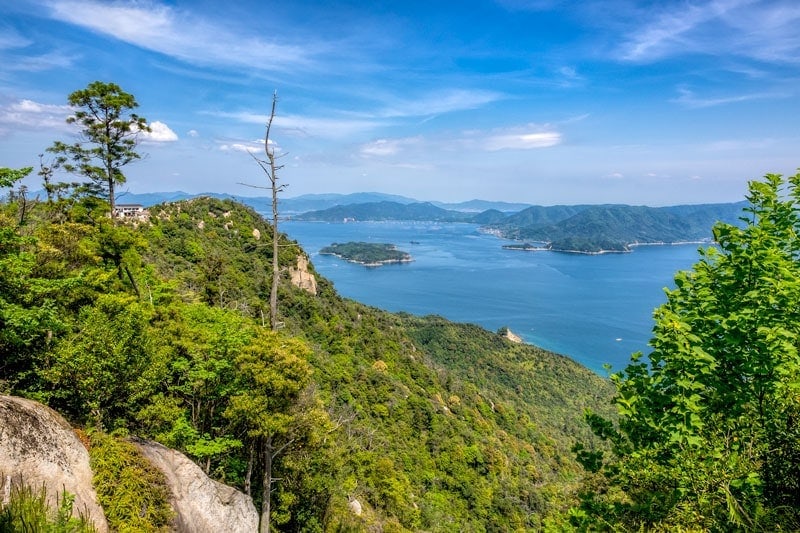
The easier option though, especially if short on time is the ropeway that takes you about half way up the mountain. It's a nice gentle ride up here and there are some great views out over the inland sea and islands but there are better to be had from the hiking path up to the temple and from the summit.
Read more: Exploring Mt Misen in Hiroshima
Find nature in Japan off the beaten path
16. Lake Towada (Tohoku region)
Lake Towada is a large caldera lake formed in the depression of an ancient volcano, it is one of our must visit areas in Aomori prefecture. It is part of the Towada-Hachimantai National Park and there are a couple of towns that make a good base for exploring the area.
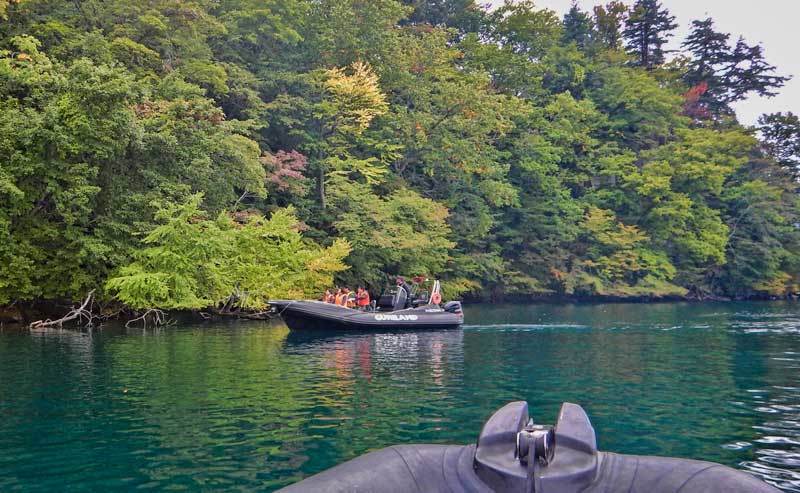
There are well formed hiking trails around the lake and into the hillside for some stunning views. You can take a sightseeing cruise on the lake but we enjoyed the trip out on the rigid inflatable boats that give a combination of thrill ride and being able to silently coast in close to the lake edge for views of the birds and wildlife.
17. Oirase Gorge (Tohoku region)
Oirase Gorge is famous for its autumn colours and many waterfalls but it was also very attractive at other times of year. A hiking trail runs along the most picturesque 9km stretch from Nenokuchi and Ishigedo which is an easy hike taking less than 3 hours one way.
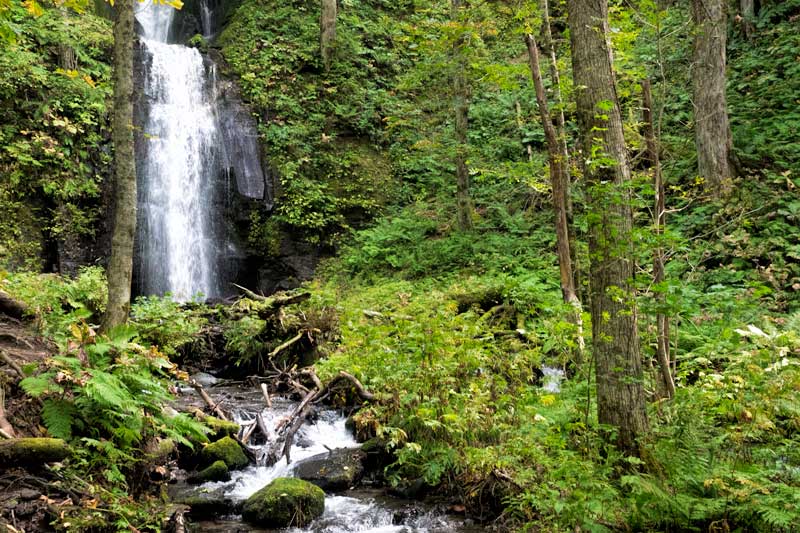
A positive and negative of this picture perfect hike is that it runs parallel to the road and crosses it many times to take in the gorgeous waterfalls and stay on the hiking trail.
Many buses and private vehicles run up and down the road unloading passengers at the major waterfalls and sightseeing spots, making those highlights busier than you would expect based on the lower number of hikers on the trails. The positive is that there are bus stops frequently along the road so you can easily catch a bus back to your starting point and not have to walk both ways if you prefer not to.
18. Onuma Quasi-National Park (Hokkaido region)
This stunning park is located just 20 kilometres north of Hakodate and is easily accessed by train on a day trip or as a stop as you transit between Hakodate and Sapporo. Onuma Koen Station is only about 30 minutes by Limited Express train from Hakodate.
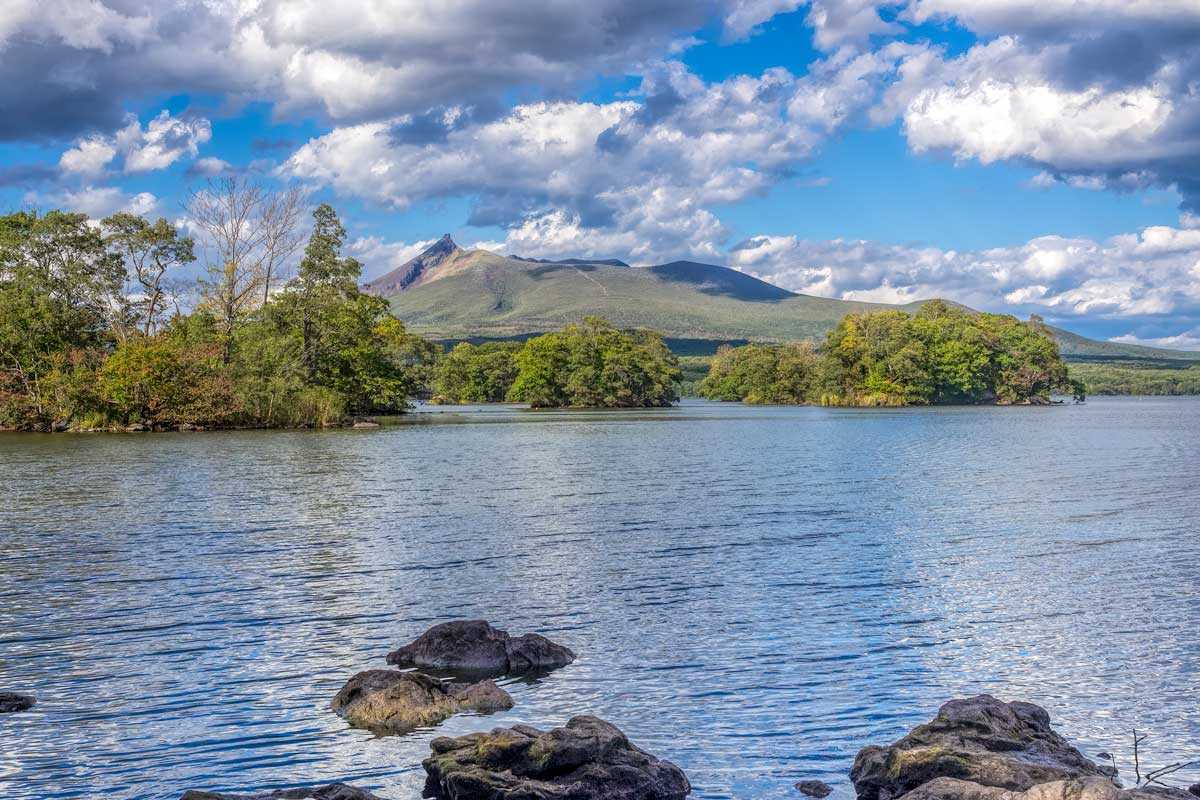
There is a path that wraps around the lake edge for 10 km and you can rent a bike to cycle around or follow a range of connected walking courses that weave around the lakes, islands and over bridges. There are short boat tours on the lake but these only take place in the warmer season.
Read More: Great reasons to visit Hakodate
19. Jigokudani Monkey Forest (Chubu region)
This forested area is in the tiny onsen town of Yamanouchi in Nagano prefecture. While it is a beautiful winter wonderland that cuts a path through the forested hillside and follows the creek line weaving through the valley below, it is better known as the home of Japan's onsen-bathing snow monkeys.
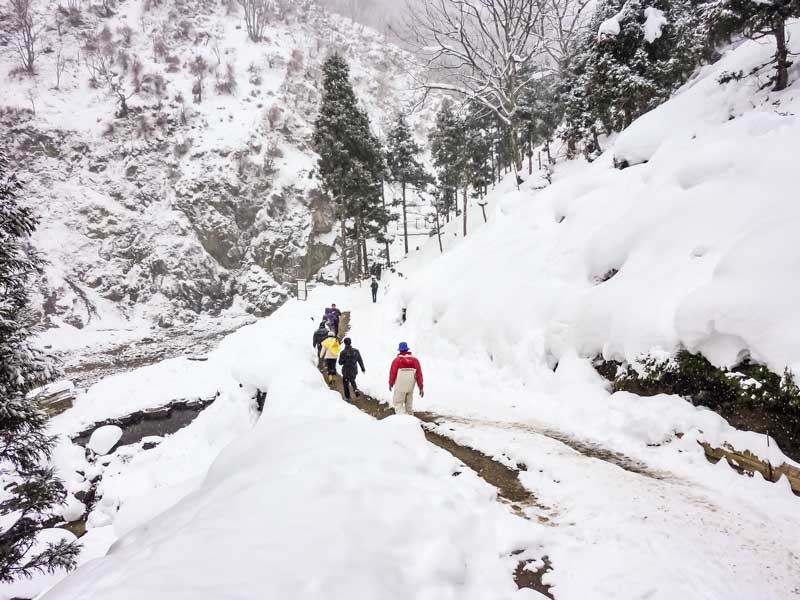
No one would disagree that the Japanese Macaque are the star of the show around here and are responsible for attracting many tourists to discover the area. At the same time, the forest itself is also a very special nature experience. Walking beneath the fir trees, their branches heavy with snow and listening to the chorus of bird songs is something I often remember and wish to repeat.
Read more: Visiting the snow monkeys of Nagano on a day trip from Tokyo
20. Post Towns on the Nakasendo Trail (Japanese Alps)
Back in the Edo period in Japan (1603-1868) the 540km mountain route between Kyoto (Heian) and Tokyo (Edo) was important for trade, security and communication. Samurai, government officials, merchants and townspeople passed through the 69 post towns along the route regularly.
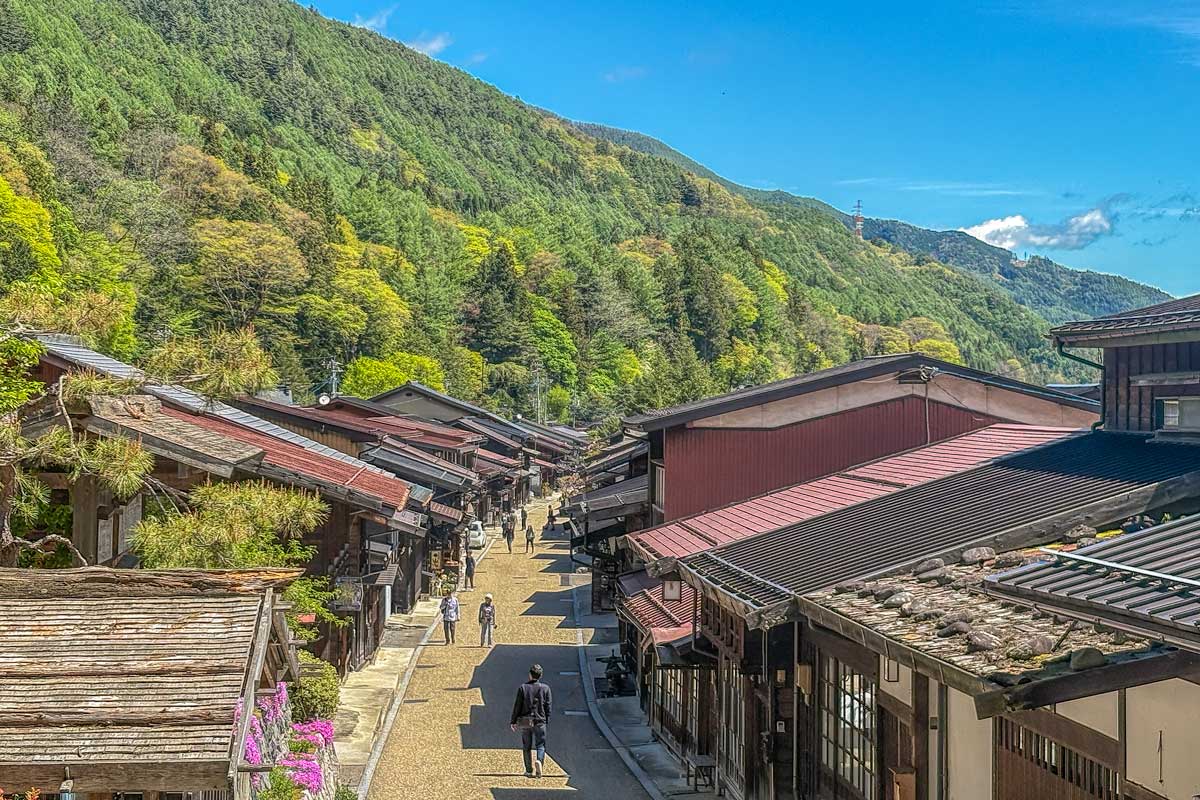
Today several of these remote towns along the route in the Japanese Alps have been restored and provide a glimpse into the history and culture for that time in addition to some great hiking and scenery.
Three popular towns are Narai-juku, Magome-juku and Tsumago-juku. These can be visited on a day trip from a base in Matsumoto (Nagano) or Nagoya (Aichi). The towns themselves are stunning but a big attraction is walking the historic path through the mountains between two post towns, either Yabuhara to Narai, or Magome to Tsumago.
There are undoubtedly many more remote natural areas in Japan that are calling to us but most visitors have limited time, and with the increased price of the Japan Rail Pass many are now focusing their exploration to one or two regions rather than crisscrossing the country.
These are 20 excellent options to consider for your itinerary that provide diversity and a glimpse into another more natural side of this fascinating country. Most are easy to access and there are options here that will work for most travel styles and activity levels.

Leave a Reply